





Mindfulness,
for busy heads.
An hour of noticing one thing at a time — for heads that do fourteen. A bell, a chair if you prefer one, and permission to be bad at it.
- 18:30
- Tue & Thu, every week
- 60 min
- Three sits of ten
- Tomas
- Rings the bell
Forty wanderings, forty returns.
Three sits of ten minutes, and a head that wanders off in every one of them. That is not the class going wrong — every return is the practice.
40small returns, in one hour
Nobody counts in the room. A common first hour: not fewer wanderings by the end, but shorter ones.

First sit10 min
The head wanders off often — and comes back, every time.
Then a stretch

Second sit10 min
Still drifting, and noticing a little sooner.
Then a stretch
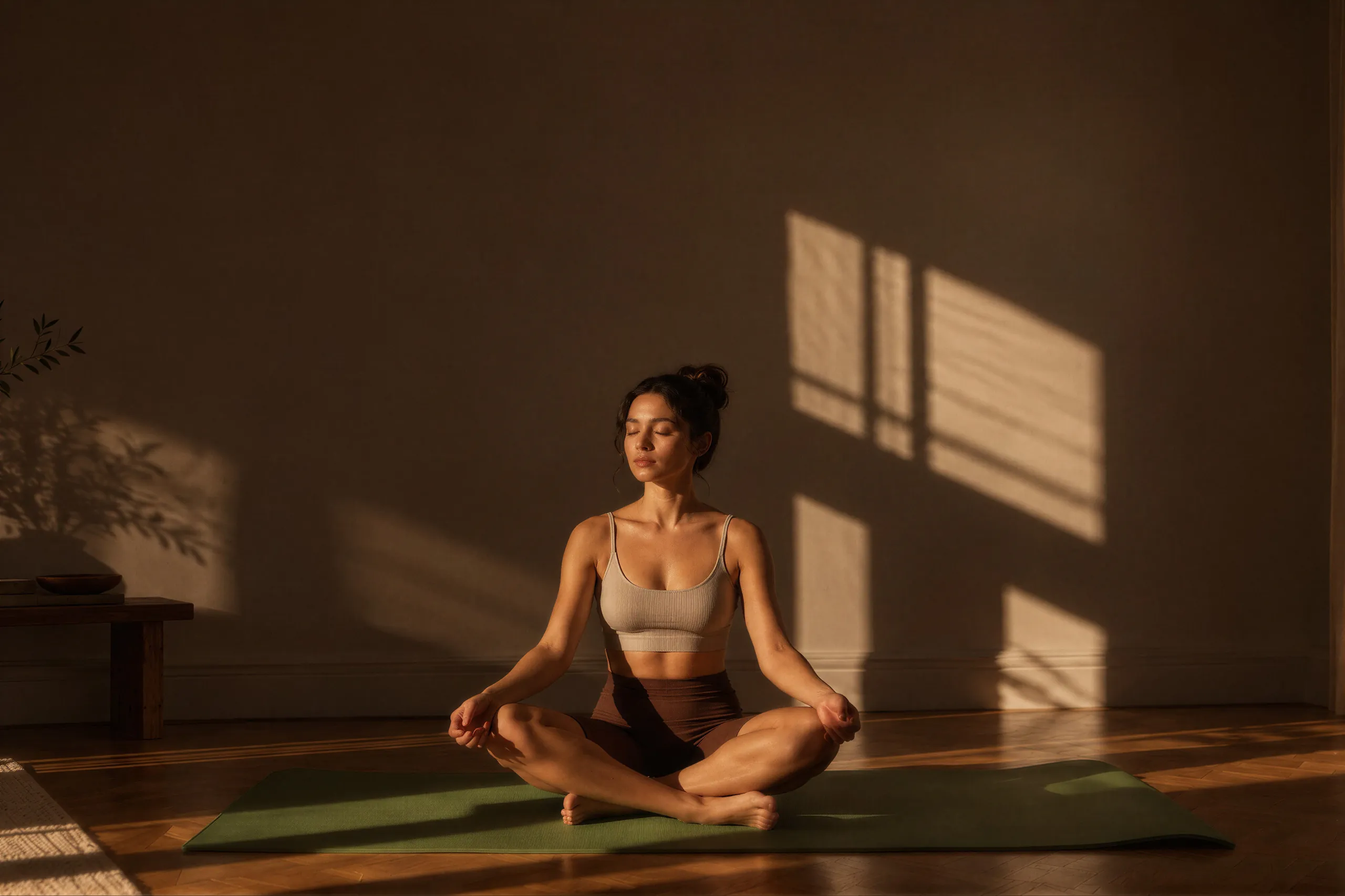
Third sit10 min
Shorter wanderings, and more quiet in between.


What people notice after a while.
Not calm, exactly — a half-second more between the thing and what you do about it. It shows up in small places first: the email you answer tomorrow, the sentence you do not finish. By week three.
They keep coming; that part never stops. What changes is that you notice sooner when you have wandered, and stop following every one of them home. By week five.
Phones live in the cupboard by the door. For some people that alone is the class — an hour in the week when nobody can reach them and nothing needs answering. From the first class.
Ten minutes at home is the homework, and nobody checks it. Each week Tomas hands out one short sit on a card, so the class carries on between Tuesdays and Thursdays. After a month.
One idea a week, on a card to take home.
Tomas talks for ten minutes about a single idea, then hands it out on a card with ten minutes of homework. Six ideas go round in a loop — start in any week.
Take-home card01 / 06
The anchor
One thing to come back to — the breath, your feet on the floor, a sound in the room. You don’t hold on to it; you return to it.
At home this week
Twice a day, ten breaths. Lose count, start again at one.
Take-home card02 / 06
Wandering is the practice
The mind wanders; that is what minds do. The moment you notice is the moment of practice, not the moment of failure.
At home this week
When you notice you have drifted, say “thinking” in your head, and come back.
Take-home card03 / 06
The half-second gap
Between the thing that happens and what you do about it there is a small space. Sitting makes it a little wider.
At home this week
Once a day, wait one breath before you reply to anything.
Take-home card04 / 06
Sounds, arriving
Listening without naming: a sound is there, and then it isn’t. Nothing to do about it.
At home this week
Two minutes by an open window. Let sounds come to you rather than going to find them.
Take-home card05 / 06
Coming back gently
How you come back matters more than how often you leave. A sigh at yourself is one more thing to come back from.
At home this week
Come back the way you would pick up something you dropped — without comment.
Take-home card06 / 06
The same chair
A practice lives in a time and a place. Choose them once so you don’t have to decide every day.
At home this week
Ten minutes, the same chair, the same time, every day this week.
In the room, or from your chair.
Both sessions run live online as well. The same hour and the same bell — only the chair changes.
 |  | |
|---|---|---|
| Who leads it | SameTomas, every week | |
| When | SameTuesday and Thursday, 18:30 | |
| The bell | SameRung three times, once a sit | |
| Where you sit | A cushion or a chair, by the window | Your own chair — a kitchen one is ideal |
| The camera | There isn’t one | Off is fine, and most keep it off |
| Questions | Out loud, at the end | Out loud, or typed in the chat |
| Places | SameTen, either way | |
- Who leads itSameTomas, every week
- WhenSameTuesday and Thursday, 18:30
- The bellSameRung three times, once a sit
- Where you sitA cushion or a chair, by the windowYour own chair — a kitchen one is ideal
- The cameraThere isn’t oneOff is fine, and most keep it off
- QuestionsOut loud, at the endOut loud, or typed in the chat
- PlacesSameTen, either way
About mindfulness, what people ask.
I can’t sit still for ten minutes. Is it for me?
Most people say that first. A sit is ten minutes, a chair is fine, and you can open your eyes whenever you like. Fidgeting is allowed; so is lying down.
Is it religious?
No. No chanting, no incense, nothing to believe. A bell, a chair, and one plain idea a week.
Do I have to talk?
No. Questions at the end are optional, and silence is a perfectly good contribution.
Can I join in the middle of the six ideas?
Yes. The ideas go round in a loop, and each one stands on its own. Start whichever week suits you.
Can I do it online?
Yes — both sessions run live as well as in the room. Same hour, same bell, and the camera can stay off.
Bring a busy head,
leave with a quieter one.
Fifteen minutes on the phone first if you would rather. No forms, no pressure, and no wrong way to start.